INVITED SPEAKERS
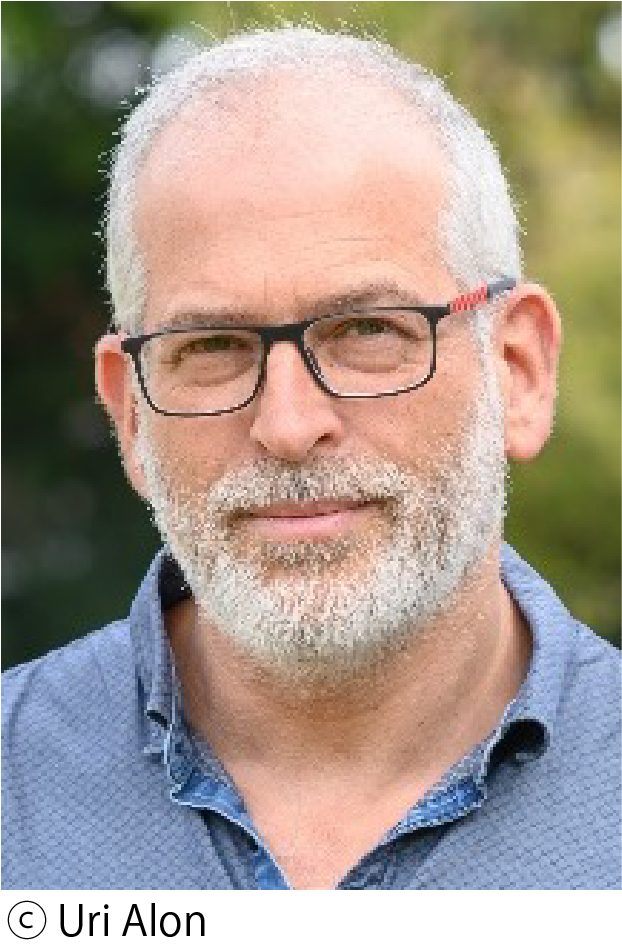
Uri Alon, Design Principles in Biology, Weizmann Institute of Science
https://www.weizmann.ac.il/mcb/alon/
Uri is recognized for his pioneering work in systems biology, for the concept of network motifs and design principles of biological circuits, evolutionary tradeoffs, endocrine circuits and aging.
He has received numerous awards, including the EMBO Young Investigator Award, the Overton Prize from the International Society for Computational Biology, and the Nakasone Award for Breakthroughs in Life Sciences, Medal for the Physics of Life 2026, IUPAP, and was elected to the Israel National Academy of Science. He has published over 200 research papers including in Science, Nature, and Cell, and has authored influential textbooks, including An Introduction to Systems Biology and Systems Medicine. In addition to his research, Uri is a dedicated educator and mentor, having trained numerous Ph.D. students and postdoctoral fellows who have continued on to academic and industry positions worldwide. His leadership extends beyond research in promoting soft skills training in the academic community.
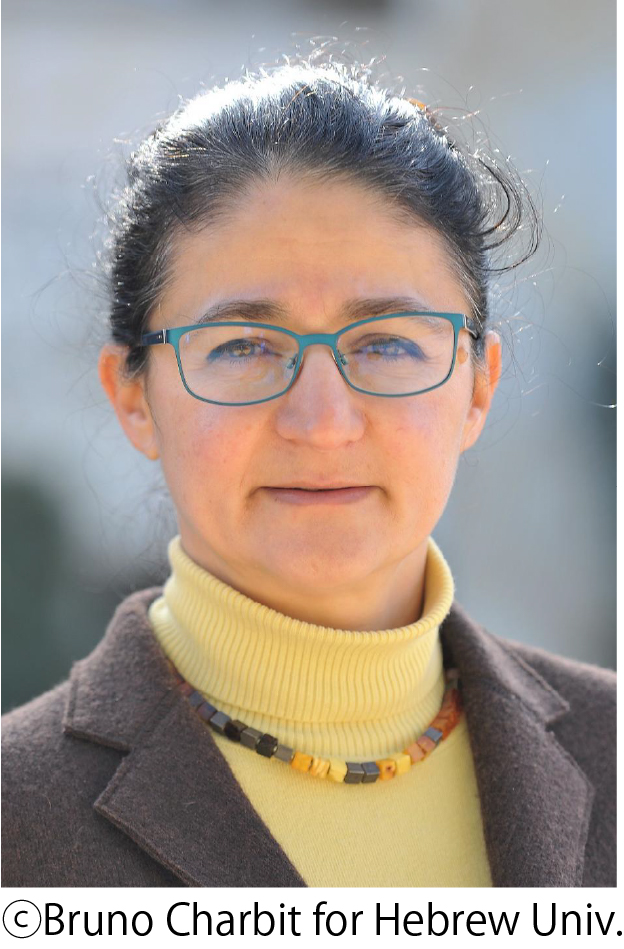
Nathalie Balaban, Antibiotic Resistance, The Hebrew University in Jerusalem
https://balabanlab.huji.ac.il/people/nathalie-q-balaban
Nathalie’s research interests focus on the development of experimental and theoretical approaches to the study of single-cell heterogeneity, and the determination of its role in disease and evolution. She has pioneered the use of microfluidic devices and automated setups to study quantitatively the heterogeneous response of bacteria to antibiotics. Her work revealed the evolution of tolerance to antibiotics and the subsequent evolution of resistance, both in vitro and in patients. She has won the Krill prize from the Wolf foundation. She is an elected member of the European Academy of Microbiology, the Israel Physics Society, an EMBO member and a Fellow of the American Academy of Microbiology. Nathalie has co-founded the Scholar-Teacher program, an initiative for improving science teaching in high schools
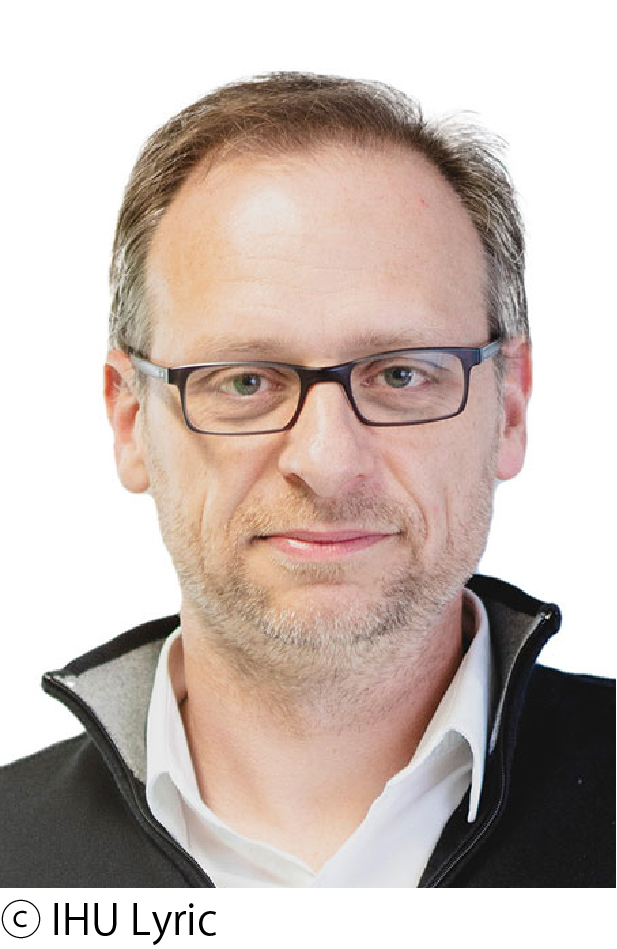
Olivier Bernus, Mechanisms underlying Cardiac Arrhythmias, University of Bordeaux & IHU Liryc
https://balabanlab.huji.ac.il/people/nathalie-q-balaban
Olivier’s main research interests focus on the mechanisms underlying cardiac arrhythmias, with a specific interest in ventricular arrhythmias, using a large array of techniques, including computer modelling, optical imaging and high- resolution structural imaging. He coordinates a human heart donor program at Liryc in collaboration with the University Hospital of Bordeaux, which has allowed obtaining unprecedented insights into human cardiac pathophysiology. He is also pursuing the development of novel techniques for three-dimensional depth-resolved optical imaging of cardiac electrical activity and noninvasive imaging and mapping approaches for improved risk prediction.

Michel Haïssaguerre, Abnormalities of Heart Rhythm, Hôpital Cardiologique du Haut–Lévèque
https://www.chu-bordeaux.fr/Les-m%C3%A9decins/HAISSAGUERRE-JEAN-MICHEL/
Michel’s research transformed the treatment of heart rhythm disorders by shifting the clinical focus from symptom management to targeted cures. He pioneered the use of intracardiac catheters to map and destroy the specific anatomical pathways responsible for simple arrhythmias. This demonstrated that delivering energy directly to a pathological site could permanently eliminate the disorder, providing a minimally invasive alternative to life-long medication. He later applied this logic to the more complex cardiac fibrillation, which was long considered a form of untreatable electrical chaos. Michel developed multi-electrode catheters to map the heart's electrical activity over extended periods. His work revealed a major paradigm shift: even the most turbulent arrhythmias often originate from specific trigger sources rather than random interference. By identifying the primary genesis of this "chaos," he proved that complex fibrillation could be systematically mapped and neutralized at its source.

Dániel Kondor, Social Complexity & Collapse, Complexity Science Hub
https://csh.ac.at/daniel-kondor/
Dániel is a PostDoc at the Complexity Science Hub since 2021. Before that, he worked at the Senseable City Lab at MIT and SMART FM in Singapore. He earned a PhD in physics with a focus on network and data science from the Eötvös Loránd University in Budapest in 2015.
Dániel has worked with diverse topics that focus on the analysis of large-scale geographically embedded phenomena, including the study of human mobility in various contexts. His current research focuses on large-scale, agent-based models of interactions among historical societies. His research interests include data-driven and agent-based modeling of complex social, economical, and technological phenomena.

Athanasios Litsios, Functional Genomics, Pompeu Fabra University
Athanasios is interested in understanding the cell cycle and cellular aging through a systems-biology lens. To this end, his research employs high-content screening and microfluidic approaches that enable the study of these processes at the single-cell level with high temporal and spatial resolution. One of his main objectives is to mechanistically characterize how defects in the proteome homeostasis network drive age-related pathologies.
Jenny Reddish, Social Complexity & Collapse, Complexity Science Hub
https://csh.ac.at/jenny-reddish/
Jenny works as lead editor for the Seshat: Global History Databank, and is based at the Complexity Science Hub. She works on gathering information on social complexity, warfare, ritual and other features of past societies from historical, archaeological and anthropological sources in order to populate the Seshat Databank, as well as on writing and editing publications deriving from the project.
At CSH, Jenny is part of Peter Turchin’s research group on Social Complexity and Collapse. It aims both to expand Seshat’s geographical coverage as well as to build a dedicated “Crisis Databank” of around 300 past societies that entered and emerged from political crises.
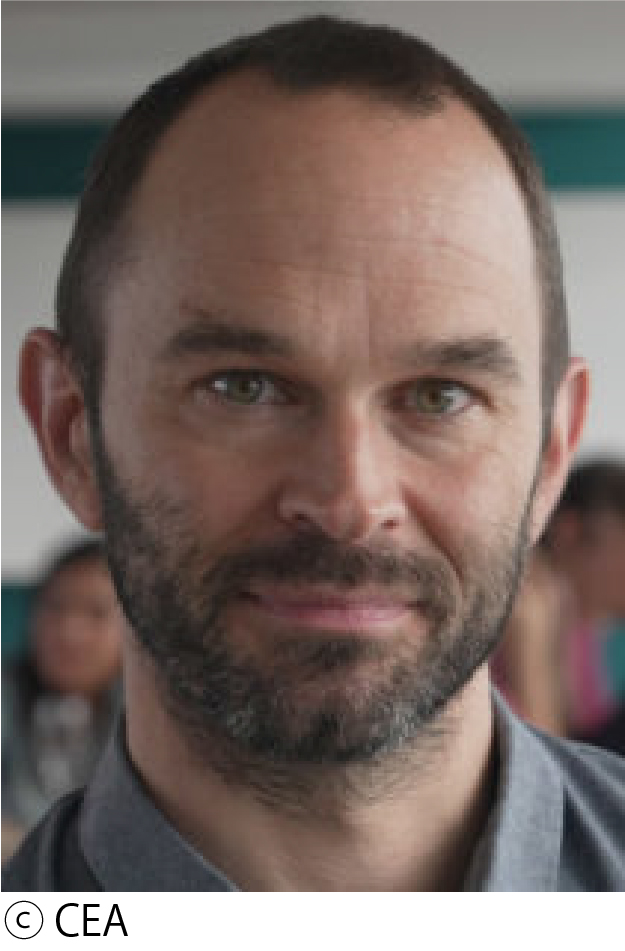
Manuel Théry, Cytoskeleton and Morphogenesis, CEA / ESPCI, Institut Pierre-Gilles de Gennes,
http://cytomorpholab.com/
Manuel has developed innovative surface microfabrication techniques to study the regulation of cell shape, polarity, and division. Together with Laurent Blanchoin, they use purified proteins to reconstruct cytoskeletal filament networks in vitro. By combining these approaches, they reveal and study the fundamental laws of cytoskeleton self-organization.
In 2013, the team moved to the hospital Saint Louis to study the polarization and division of human hematopoietic stem cells. In 2023, they moved to a research institute dedicated to physics and chemistry, to work on the construction of the architecture of an artificial cell. This theoretical object opens new avenues for deepening our understanding of the mechanisms underlying life and for envisioning the design of living materials
ORGANIZERS

Yves Barral, Cellular Biology, ETH Zurich
https://barral-lab.ethz.ch
Yves is broadly interested in asymmetric cell division and how it generates cellular diversity. One of his main research themes focuses on how single cells make and propagate adaptive decisions. As a paradigm for this, his lab studies the computing and decision-making machinery through which yeast cells decide to mate, choose a conjugation partner, or learn to avoid suboptimal ones based on the stimuli they receive, and how they memorize the information.
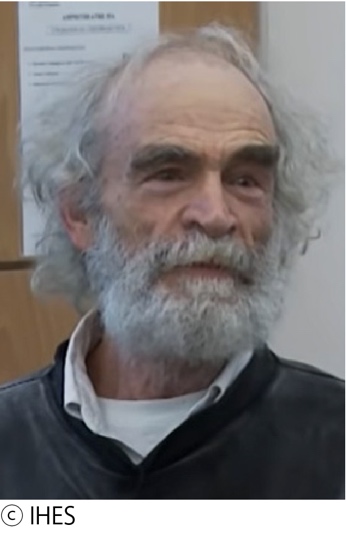
Mikhail Gromov, Mathematical Biology, IHES & NYU
https://www.ihes.fr/~gromov/
Misha, a world renowned geometer and Abel Prize winner (2009), has totally reshaped his discipline with his work: of fundamental importance are his “soft” approach to geometry and his contribution, in particular, to Riemannian geometry, geometric group theory, and symplectic geometry. His extra-mathematical interests extend to biology, the thinking process, artificial intelligence, language and far beyond. He has written extensively on the frontiers of pure mathematics and science.
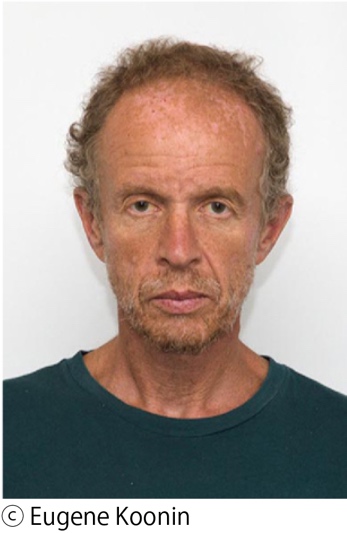
Eugene V. Koonin, Evolutionary Genetics, National Center for Biotechnology Information, National Library of Medicine, National Institute of Health
https://www.ncbi.nlm.nih.gov/research/groups/koonin/
Eugene is an NIH Distinguished Investigator, the leader of the Evolutionary Genomics Group at the National Center for Biotechnology Information (NCBI) at the NIH, and a member of the National Academy of Sciences of the USA. His research focuses on genome evolution, especially in microbes and viruses, host-parasite coevolution, and more specifically, functions and evolution of antivirus defense systems including CRISPR-Cas. He also works on the general theory of evolution based on physical principles.

Yann LeCun, Computational and Biological Learning, Courant Institute, AMI Labs & New York University
http://yann.lecun.com/
Yann is the Executive Chairman of AMI Labs and a Professor at NYU. He was the Chief AI Scientist of Meta, the founding Director of Meta-FAIR, and of the NYU Center for Data Science. After a PhD from Sorbonne Université and research positions at AT&T and NEC, he joined NYU in 2003 and Meta in 2013. His interests include AI, machine learning, computer perception, robotics, and computational neuroscience. He is the recipient of the 2018 ACM Turing Award (with Geoffrey Hinton and Yoshua Bengio) for "conceptual and engineering breakthroughs that have made deep neural networks a critical component of computing". He is a member of the US National Academies and the French Académie des Sciences.
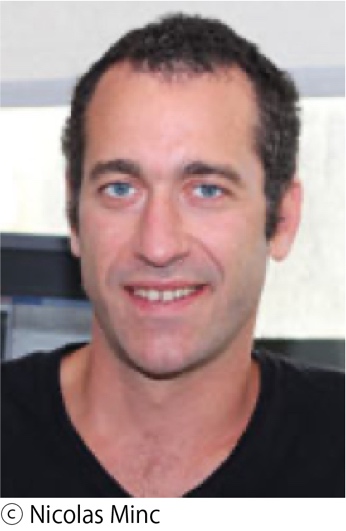
Nicolas Minc, Cellular Morphogenesis, Institut Jacques Monod, U. Paris Cité/CNRS
http://www.minclab.fr/
Nicolas and his group aim to understand how cells solve geometrical problems, to perform their functions, and define their morphogenesis. They study questions of cell division, growth, polarization, and multicellular morphogenesis, and combine mathematical models and quantitative biology approaches to address how shape sensing may emerge from the physical biology of the cytoskeleton, the cell surface, and the cytoplasm.
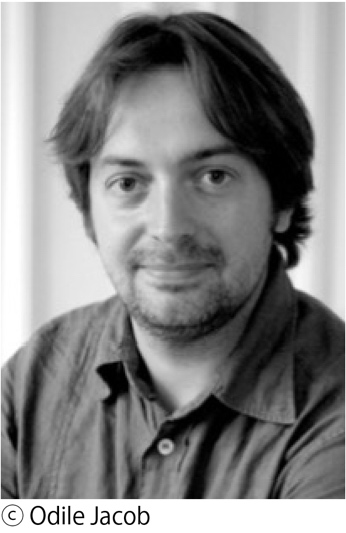
Pierre-Yves Oudeyer, AI and Cognitive Science, INRIA Bordeaux
https://flowers.inria.fr
Pierre-Yves and his team study lifelong open-ended learning, and the self-organization of behavioural, cognitive and language structures, at the frontiers of AI and cognitive sciences. Within the field of developmental AI, they use machines as tools to understand better how children learn, and study how machines could learn autonomously like them and integrate within human cultures. They study models of curiosity-driven autotelic learning, enabling humans and machines to set their own goals and self-organize their learning curriculum. They work on applications in education and assisted scientific discovery, using AI techniques in the service of humans, fostering learning, curiosity, exploration and creativity.
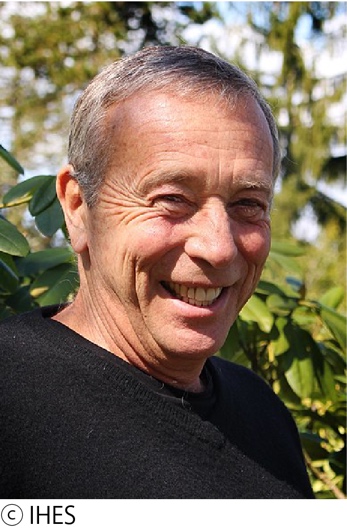
Bob Penner, Mathematics, IHES & UC Los Angeles
https://www.ihes.fr/en/professeur/robert-c-penner/
Bob's post-doctoral work in geometry and high-energy physics apply also to the combinatorics and topology/geometry of RNA and protein. Indeed, combinatorics is independent of scale, whether the Platonic scale of pure math, the Planck scale of strings, or the Angstrom scale of macromolecules. This study of biological macromolecules has been his inroad to more extensive work in theoretical biology generally. One principal current activity has been developing a new tool in structural biology for estimating backbone-free energy from geometry, for example, applied to viral glycoproteins.
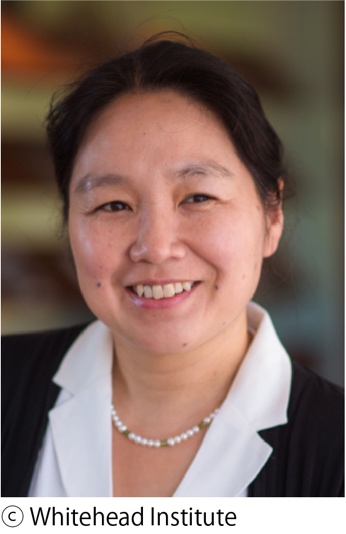
Yukiko Yamashita, Cellular Biology, MIT
https://yamashitalab.wi.mit.edu/
Yukiko and her lab is interested in germline immortality – the mechanism that enabled the continuation of the lineage through 1.5 billion years of multicellular organisms' history, and how this mechanism may be involved in the process of speciation. Specifically, they investigate the mechanism of rDNA copy number maintenance, the function of satellite DNA and asymmetric cell division.